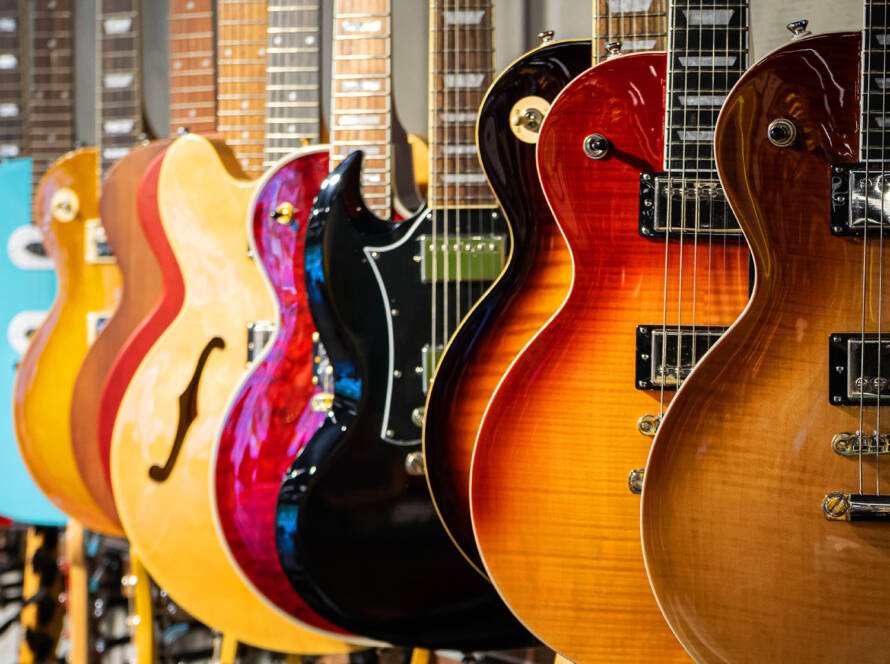


Vintage guitars have an undeniable appeal. Part of it is history. Part of it is design. Part of it is the knowledge that an instrument may have spent decades being played, repaired, transported, recorded, and changed by the people who owned it.
But when players talk about “vintage tone,” age alone is not the whole story. The sound we associate with classic guitars comes from a chain of factors: construction, pickups, electronics, hardware, amplifiers, speakers, recording methods, and — most importantly — the hands of the player.
Pickups Shape the Front End
Pickups translate string vibration into the electrical signal that reaches the amplifier. Magnet type, winding, output level, pickup height, and manufacturing variation can all change the response.
Many older pickup designs have lower output than modern high-gain alternatives. That can create more room for pick dynamics and amp interaction. Lower output is not automatically better; it is simply a different response.
Electronics Matter More Than Many Players Expect
Volume pots, tone pots, capacitor values, wiring schemes, and component tolerances can influence how bright or dark a guitar feels. On an older instrument, parts may also have been replaced over time.
This is one reason two guitars from the same year can sound noticeably different. “Vintage” is not a single specification.
Construction Changes the Feel
Scale length, neck shape, fret size, bridge design, body construction, and overall weight affect how the instrument responds under the fingers. That physical response changes the performance, which changes the sound.
A guitar that encourages you to pick lightly will not produce the same result as one that makes you dig in. Tone is partly an interaction between instrument and player.
The Amplifier and Speaker Are Half the Conversation
A classic guitar into the wrong amp may not produce the sound you have in mind. Speakers, power tubes, preamp design, cabinet size, and how hard the amp is being pushed can reshape the signal.
If you are chasing an older roots, blues, or rock character, experiment with simpler amp settings before buying another guitar. Lower gain, moderate volume, fewer effects, and the right speaker response can move the sound surprisingly far.
Recording Technique Becomes Part of the Tone
Many famous guitar sounds were captured with relatively simple signal chains. Microphone placement, room sound, tape saturation, console coloration, and limited track counts all influenced the final result.
Modern recording gives us enormous control, but unlimited options can lead to over-processing. For a more organic character, try committing earlier: choose one amp sound, place one microphone well, and make the performance do more of the work.
How to Chase the Character Without a Collector’s Guitar
- Lower the pickup height and listen for more dynamic range.
- Use the guitar’s volume and tone controls instead of leaving everything on 10.
- Choose a simple amp sound and let the speaker work.
- Use less gain than you think you need.
- Experiment with pick material, thickness, and picking position.
- Set the guitar up so it encourages confident playing.
- Record the sound in context before changing gear.
Old Does Not Automatically Mean Better
Some vintage guitars are extraordinary. Some are difficult to play, heavily modified, unstable, or simply not a good match for a particular player. Modern guitars can be more consistent, easier to maintain, and better suited to touring.
The goal should not be to own the oldest instrument possible. The goal is to find a guitar that inspires a performance.
Explore More Vintage Guitar Stories
For more, visit Exploring Legendary Vintage Guitars: Icons of Music History and our feature on the Guyatone LG 130T.